

Gel manicures have revolutionized how we take care of our nails. Long-lasting, glossy, chip-resistant, and beautiful for weeks it’s no wonder that hybrid nails have become a favorite for women around the world. Unfortunately, a growing number of people are experiencing an unpleasant side effect of nail styling: an allergy to gel polish. Itching, redness, swelling, or even finger pain are symptoms that shouldn’t be ignored.
If you’ve noticed alarming reactions after a gel manicure, this guide is for you. You’ll learn what causes the allergy, how to handle it, and how to prevent it from recurring.
Causes of Gel Polish Allergies
Allergic reactions to gel polish are not new but have become more common in recent years. Why is this happening?
1. Chemical Ingredients
Many nail products contain potentially allergenic substances, such as:
- HEMA (Hydroxyethyl Methacrylate)
- Di-HEMA Trimethylhexyl Dicarbamate
- Acrylates
- Formaldehyde
- Toluene
- Camphor
Reactions most often occur when the product comes into contact with the skin before being fully cured. Even a tiny amount of uncured gel can trigger a skin allergy.
2. Incorrect Application
Lack of precision during application can cause the product to come into contact with the skin around the nails. Repeated exposure increases the risk of developing an allergy.
3. Poor-Quality Products
Cheap, unverified gel polishes often contain higher concentrations of allergenic ingredients or don’t meet safety standards.
4. Too Frequent Styling
If you’re wearing gel polish constantly, your nails and skin don’t have time to recover. Prolonged exposure to chemicals can trigger contact allergies.
Symptoms of a Gel Polish Allergy
Be aware of the most common signs:
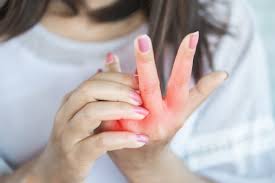
- Itching and burning around the nails
- Redness, blisters, rashes
- Swollen fingers
- Pain and tenderness
- Nail lifting from the nail bed
If you notice these symptoms after a gel manicure, it’s essential to act quickly.
3 Ways to Prevent Allergies to Gel Polish
1. Switch to Hypoallergenic Products
If you’re a fan of gel manicures but have sensitive skin or have experienced allergic symptoms, choose products designed for allergy sufferers.
What to look for when shopping:
- No HEMA in the ingredients
- Dermatologically tested
- Positive reviews from users with similar issues
Recommended hypoallergenic brands:
- Victoria Vynn Pure Creamy Hybrid (HEMA-free)
- Indigo Nail Lab Sensitive Line
- Semilac Sensitive Line
2. Professional Application and Proper Hygiene
If you’re doing your own gel manicures:
- Avoid touching the skin with a product-coated brush.
- Keep a gap between the polish and the cuticle.
- Ensure the lamp fully cures the product. Under-curing leaves uncured gel on the nail.
- Don’t mix brands of base, color, and topcoat.
If you go to a nail technician, ask:
- Do you use hypoallergenic gel polishes?
- Are your tools sterilized?
- Do you avoid flooding the cuticles?
3. Take Breaks and Focus on Nail Recovery
Even healthy nails need a break. Every few months, take 2-3 weeks off to allow your nails and skin to regenerate.
How to care for your nails post-gel:
- Use nail and cuticle oils (e.g., with vitamin E or jojoba oil)
- Apply nail strengthening treatments (with biotin or keratin)
- Eat a diet rich in zinc, iron, and fiber
- Drink plenty of water and wear gloves when using household cleaners
Common Gel Manicure Mistakes
- Improper buffing and cleaning of the nail plate
- Applying too thick layers of product
- Flooding the cuticles
- Using expired gel polishes
- Poor lamp selection (low power or incompatible type)
- Lack of tool hygiene
Avoiding these mistakes is the first step toward healthy nails and preventing allergies.
Expert Recommendations
“The most common cause of gel allergies is product contact with the skin and incomplete curing. That’s why it’s essential to follow safety rules and use proven, gentle brands.” Anna W., nail stylist with 15 years of experience.
“At the first sign of an allergic reaction, stop using gel polish immediately and see a dermatologist. Ignoring the symptoms can lead to serious skin problems.” Dr. Martyna Chmielewska, dermatologist.
Your Health Comes First
Nail styling should be a pleasure, not a source of stress or pain. Gel polish allergies can be managed you just need to understand the causes, respond promptly, and follow smart preventive steps.
Have you ever dealt with an allergy to gel polish? Do you have your own tips for nail recovery after gels? Share your experience in the comments below your story might help another woman!
Want to learn more about hypoallergenic products and nail care? Check out our store and browse the rest of our blog. Take care of your nails the smart way!