

A Small Step for a Nail Tech, a Giant Leap for Hybrid Durability
If you’re one of those women who can’t imagine a day without perfectly polished nails, you probably know that the durability of your nail styling is no accident. It’s the result of precision, product quality, and… proper nail plate preparation. One of the unsung heroes of this process is primer a subtle yet essential product that can make or break your hybrid manicure. So what exactly is primer, how should you use it, and why are there moments when it’s better to skip it? Let’s dive deep and clear up all doubts.
What Is Primer? The Foundation of Manicure Durability
Primer is a specialized product used before applying the base coat for hybrid polishes. Its main tasks include:
- Degreasing the nail surface,
- Increasing the base’s adhesion,
- Reducing the risk of lifting and chipping.
In short: primer is like double-sided tape between your nail and the hybrid base.
Types of Primers: Acid vs. Acid-Free
Acid Primer
Contains methacrylic acid, making it very potent. Recommended for oily, problematic nail plates and in cases of poor hybrid durability. It acts like a “micro-filler” opening up the nail surface for deeper base absorption.
Pros:
- Extremely strong adhesion
- Reduces the risk of lifting and air pockets
Cons:
- Can dry out and weaken the nail plate
- Improper use may cause irritation
Acid-Free Primer (Non-Acid)
Gentler but still effective. It forms a sticky layer that improves base adhesion without compromising the nail’s structure.
Pros:
- Safe for natural nails
- Perfect for sensitive or thin nail plates
Cons:
- Might not be enough for very problematic nails
When Should You Use Primer in Hybrid Styling?
Primer isn’t always necessary but there are situations where it can work wonders. Here are times when it’s worth (or essential) to use it:
1. You’re Experiencing Poor Hybrid Durability
If your nails are lifting, the base peels, and polish chips within three days, primer (especially acid-free) can be your savior.
2. You Have Oily or Problematic Nail Plates
Some people naturally have more moist or oily nails. Primer helps manage that and extend the life of your manicure.
3. You’re a Professional Nail Tech
If you’re working with clients, primer is your insurance policy. Always have it on hand.
4. You’re Prepping for a Vacation or Special Occasion
Better safe than sorry primer will help avoid unexpected mishaps at the worst moment.
How to Use Primer Step by Step
- Prepare the nail plate gently buff with a buffer block, remove the dust.
- Degrease the nails with a cleanser.
- Apply the primer in a thin layer, avoiding the cuticles.
- Wait for it to dry (most primers air-dry, do not cure under a lamp).
- Apply the base coat and continue your nail styling as usual.
Note: Primer is not glue! Don’t overdo it too much can cause the opposite effect.
Common Mistakes When Using Primer
- Using acid primer on thin nail plates
- Applying too much product
- Not waiting for full drying
- Mixing different brands of primer and base
- Skipping the degreasing step
Recommended Products: Primer That’s Worth the Investment
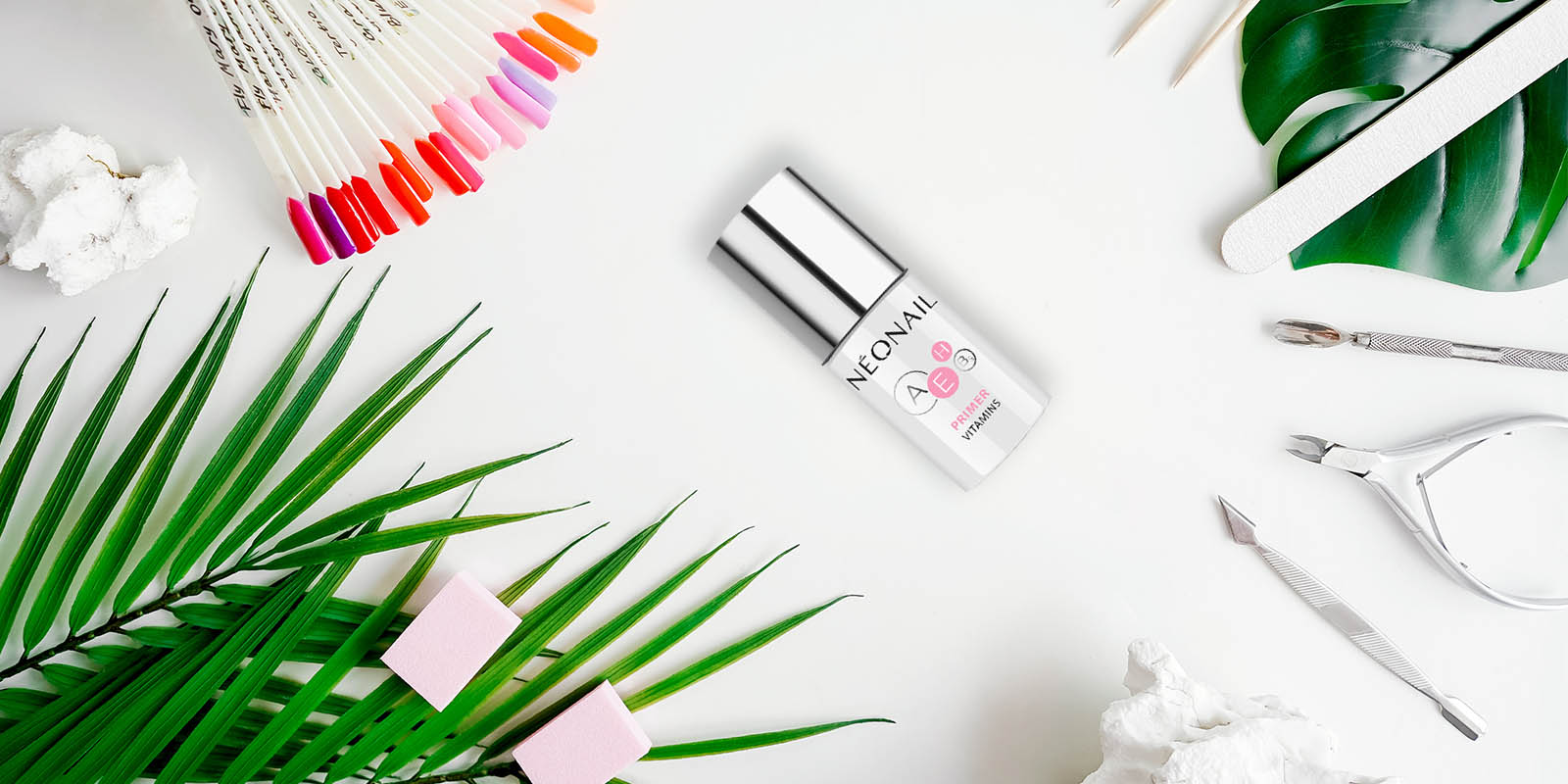
- NeoNail Acid-Free Primer – Gentle yet effective. Ideal for at-home manicures.
- Semilac Acid-Free Primer – Works like honeycomb for your base.
- SPN Nails Acid Primer – For professionals and difficult client nails.
- Indigo Acid-Free – A bestseller among nail techs, especially for hybrid manicures.
Expert Opinions
“Primer is like foundation under makeup choose the right one, and everything else falls into place.” Klaudia R., nail stylist with 15 years of experience
“Sometimes it’s just the lack of primer that causes clients to return with complaints. A quick swipe solves it.” Marta T., hybrid manicure instructor
Can Primer Cause Harm?
Yes, if used improperly. Primer is not a universal fix-all. Overuse may:
- Dry out the nail plate,
- Cause yellowing,
- Trigger irritation or allergies.
That’s why it’s essential to know your nail needs and be open to testing different solutions.
Primer – Your (Not-So) Optional Must-Have
Primer can make all the difference in whether your hybrid manicure lasts one week or three. It’s not a must for everyone, but if you often face chipping, lifting, or have problematic nails, it’s definitely worth trying.
Now It’s Your Turn!
Do you use primer in your nail routine? Which one works best for you? Or maybe you have your own tips for long-lasting hybrid nails without using primer? Share in the comments your experience might help other women!
And don’t forget to check out our nail styling store we offer not just primers but everything you need to create long-lasting, beautiful hybrid nails!